There are some recipes that quietly change the way you cook — not because they’re flashy or complicated, but because they work every single time. This is one of those recipes.
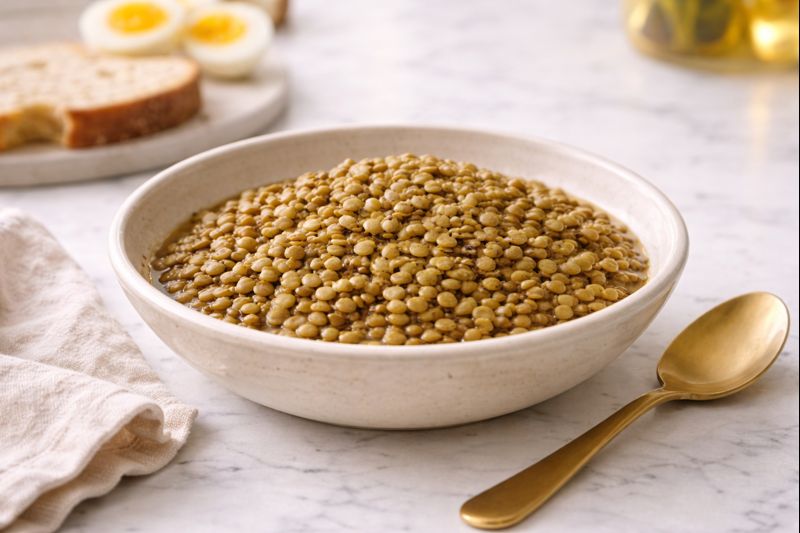
Learning how to cook lentils well is the foundation of our Divine Appetit 30-Day Bean Challenge. Not perfectly. Not elaborately. Just well.
For many people, lentils feel intimidating at first. They’re small. They cook quickly. And if they’re mishandled, they can turn chalky, bland, or overcooked before you know it. But when lentils are cooked with care — gently, simply, and with just a few thoughtful choices — they become one of the most versatile ingredients in the kitchen.
This is our go-to method. One pot. One bag of lentils. Enough food to carry you through breakfasts, soups, stews, and simple dinners all week long.
Why Lentils Are the Backbone of the 30-Day Bean Challenge
When we designed the 30-Day Bean Challenge, we weren’t looking for novelty. We were looking for sustainability.
Lentils are affordable, widely available, and forgiving. They don’t require overnight soaking. They cook faster than most beans. And they adapt easily to familiar meals.
That makes them ideal for a challenge that’s meant to support real life, not disrupt it.
This recipe isn’t about forcing lentils into every meal. It’s about making sure you always have something ready — something nourishing and steady — so adding beans feels natural instead of overwhelming.
The Goal: Tender, Flavorful, Versatile Lentils
Our goal with this method is simple:
- Lentils that are tender, not mushy
- Flavorful without being heavily seasoned
- Neutral enough to work in many meals
- Reliable enough to cook again and again
These lentils don’t demand attention. They sit quietly in your refrigerator, ready when you need them.
Lentils Don’t Have to Be Complicated
One of the biggest misconceptions about lentils is that they require special treatment. In reality, lentils respond best to restraint.
We don’t over-season them.
We don’t boil them aggressively.
We don’t try to make them taste like something they’re not.
Instead, we let good technique do the work.
To Soak or Not to Soak Lentils
Here’s the truth: lentils do not require soaking.
However, for those easing into bean-forward meals — especially during the first week of the challenge — soaking can be a helpful option.
We include soaking as an optional step, not a rule.
If you choose to soak:
- Rinse lentils well
- Soak in water for 2–4 hours
- Drain and rinse before cooking
If you skip soaking:
- Simply rinse and proceed
Both soaked and unsoaked lentils work beautifully with this method. The most important factor isn’t soaking — it’s how you cook them afterward.
Why We Cook Lentils in Broth (Not Water)
If there’s one quiet upgrade that makes this method stand out, it’s this:
We cook lentils in broth.
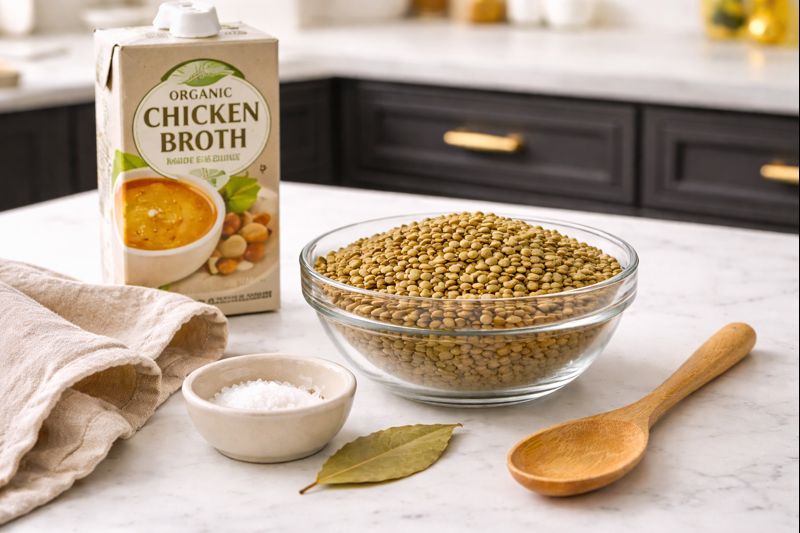
Chicken or beef broth adds depth without complexity. It seasons the lentils from the inside out and eliminates the need for heavy seasoning later.
This single choice transforms lentils from something functional into something you actually look forward to eating.
And because we keep the seasoning light, the lentils remain versatile for many meals.
The Importance of Gentle Heat
Lentils don’t like to be rushed.
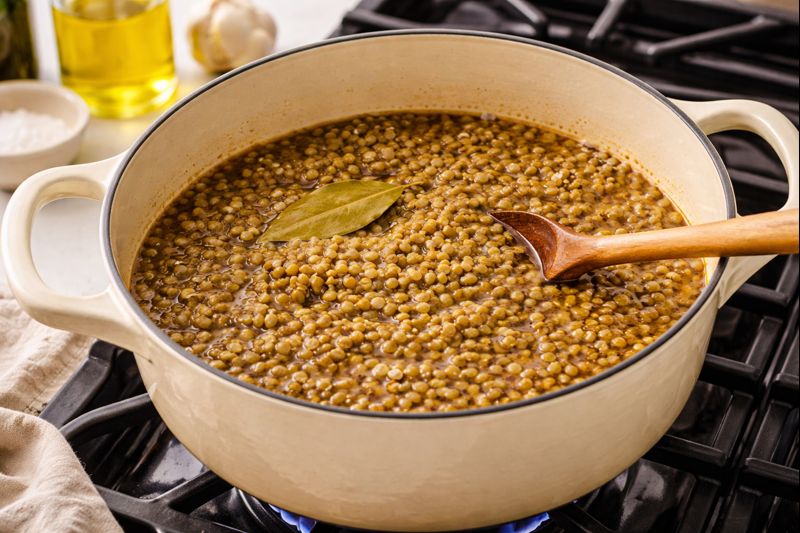
A rolling boil can cause them to split, shed their skins, and lose their texture. A gentle simmer, on the other hand, keeps them intact and tender.
We bring the pot to a boil briefly, then reduce the heat and let the lentils cook slowly and calmly.
This patience pays off every time.
Why We Salt Lentils After Cooking
This step is subtle, but important.
Salting lentils at the end helps keep them tender and prevents tough skins. It also allows you to control the final flavor depending on how you plan to use them.
Think of these lentils as a blank canvas — seasoned just enough to stand on their own, but flexible enough to join other dishes.
Optional Flavor Boosts (Used Sparingly)
Sometimes, we add a quiet layer of flavor while the lentils cook. This is optional and never required.
A single bay leaf.
A smashed garlic clove.
A small piece of onion.
A Parmesan rind.
These additions don’t overwhelm the lentils — they simply round them out. Everything is removed before storing.
The goal is subtlety, not intensity.
How We Use These Lentils All Week
This one pot of lentils becomes the backbone of our week.
We use them:
- With eggs for breakfast
- In meatballs and lentils
- Stirred into soups and stews
- Warmed in simple skillet meals
Because the lentils are lightly seasoned, they adapt easily to each role.
This is how the 30-Day Bean Challenge stays manageable — not by cooking something new every day, but by letting one good preparation carry you forward.
Leftovers That Actually Get Used
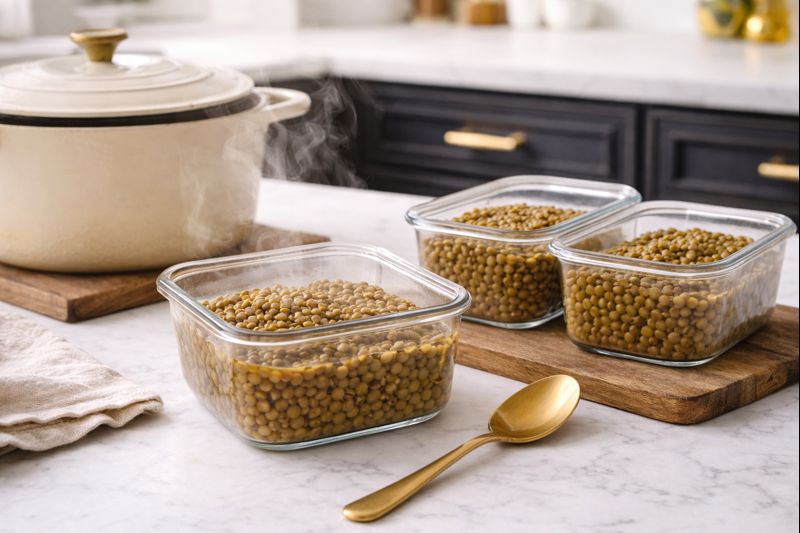
These lentils store beautifully.
- Refrigerated, they last 4–5 days
- Frozen, they keep for up to 3 months
We store them with a little cooking liquid to maintain moisture.
Having lentils ready removes friction from cooking. And when cooking feels easier, consistency follows naturally.
Why This Recipe Matters in the Challenge
This isn’t just a recipe — it’s a rhythm.
When you know how to cook lentils well, you stop worrying about what’s for the next meal. You build confidence. You cook with intention instead of urgency.
That’s what this challenge is really about.
5 Amazon Affiliate Ideas (Natural Fits)
These are tools that genuinely support this recipe and your visuals:
- Large Dutch Oven (6–7 qt) – ideal for simmering lentils
- Glass Meal Prep Containers with Lids – storing cooked lentils
- Wooden Spoon Set – gentle stirring and styling
- Gold Soup Spoon – for serving and photography
- Rimmed Baking Sheet – useful when pairing lentils with baked dishes
Each can be softly mentioned where it naturally appears.
A Reflective Note
There’s something grounding about a pot of lentils simmering quietly on the stove. No rush. No pressure. Just food doing what it’s meant to do.
In a season that often asks us to do more, faster, this recipe invites us to slow down. To cook simply. To trust that steady, everyday meals can be enough.
This is how we begin the 30-Day Bean Challenge — not with perfection, but with a pot of lentils, cooked well, ready to carry us forward.
How to Cook Lentils
This is our go-to method for cooking lentils that are tender; flavorful, and versatile-never chalky or bland. One pot gives you lentils that work for breakfasts, soups, stews, and skillet meals all week long.
5
minutes25
minutes35
minutesIngredients
1 (16) oz Bag of brown or green lentils
Water (for soaking, optional)
Chicken or beef broth (for cooking)
1 Bay leaf (optional)
Salt, to taste (added after cooking)
- Optional Flavor Boosts
1 Smashed garlic clove
A small piece of onion
A Parmesan rind
A drizzle of olive oil
Directions
- (Optional) lentils do not require soaking. For those easing into lentils, rinse well and soak in water for 2-4 hours, then drain and rinse before cooking. Both soaked and unsoaked lentils work beautifully with this method.
- Place lentils in a large pot.
- Cover with broth by about 3 inches.
- Add bay leaf if using.
- Bring to a gentle boil.
- Reduce heat and simmer uncovered for 25-30 minutes, stirring occasionally.
- Lentils are ready when tender but still holding their shape.
- Drain excess liquid if needed and remove bay leaf.
- Season lightly with salt after cooking.
- **What Makes These Lentils Better
- Cook in broth instead of water for deeper flavor.
- Salt after cooking to keep lentils tender.
- Use a gentle simmer rather than a hard boil.
- Keep seasoning light so lentils stay versatile.
Notes
- This recipe yields about 6-7 cups of cooked lentils.
- For storage, this recipe will hold in the refrigerator for 4-5 days or up to 3 months in the freezer. Storing the beans with a little cooking liquid will keep them tender.