For a long time, beans quietly sat in our pantry — useful, affordable, dependable — but rarely celebrated. Somewhere along the way, they became “diet food” or something you ate only when you had to. This month, we decided to change that with our 30 Day Bean Challenge.
Instead of treating beans as an afterthought, we’re giving them a proper place at the table with a 30-day bean cooking challenge that’s simple, comforting, and realistic for everyday life. No extremes. No rules that make you dread dinner. Just slow, thoughtful cooking with ingredients that have nourished families for generations.
This challenge isn’t about eating less. It’s about cooking with intention — and letting humble food do what it does best.
Why Beans, and Why Now?
Beans are having a moment, but not because they’re new. They’re trending because people are tired of ultra-processed food, tired of complicated plans, and ready to return to meals that feel grounding.
Beans are:
- Affordable and accessible
- Naturally filling
- Gentle on the body when cooked well
- Easy to stretch across multiple meals
- Deeply rooted in traditional home cooking
Most importantly, beans don’t require perfection. They invite you to slow down, simmer a pot, and let dinner take its time.
That’s the heart of this challenge.
What This 30-Day Bean Challenge Is (and What It Isn’t)
Let’s be clear from the start.
This challenge is not:
- A diet
- A cleanse
- A restriction
- A test of willpower
This challenge is:
- A cooking rhythm
- A return to pantry staples
- A way to add nourishment without overthinking
- An invitation to cook once and eat well all week
We’re not cutting out foods. We’re not chasing numbers. We’re simply choosing to cook beans — gently, regularly, and in familiar ways — for 30 days.
The Simple Goal: About 2 Cups of Beans a Day (Without Stress)
You’ll see “two cups a day” mentioned often, but here’s the key: this is not something you measure obsessively.
Instead, we approach it like this:
- One bean-forward meal at lunch or dinner (about 1 cup)
- One smaller serving elsewhere (breakfast, side dish, or leftovers)
Sometimes it’s less. Sometimes it’s more. The consistency matters more than the math.
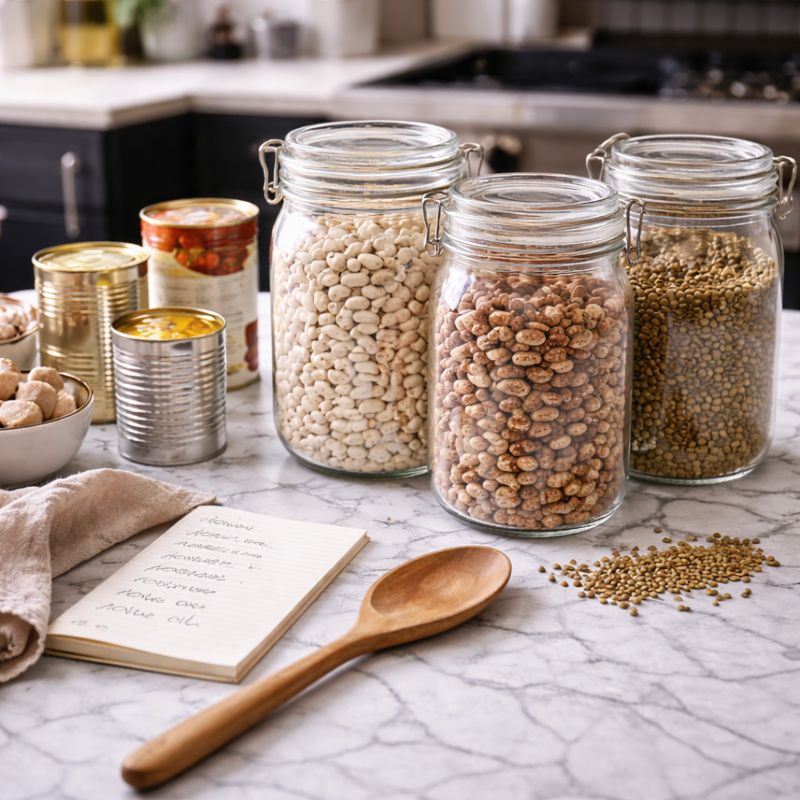
How We Structure the Challenge (So It’s Sustainable)
Rather than cooking something new every single day, the challenge is organized into weekly themes, each focusing on just a few types of beans.
This keeps shopping simple and cooking calm.
Weekly Bean Rhythm
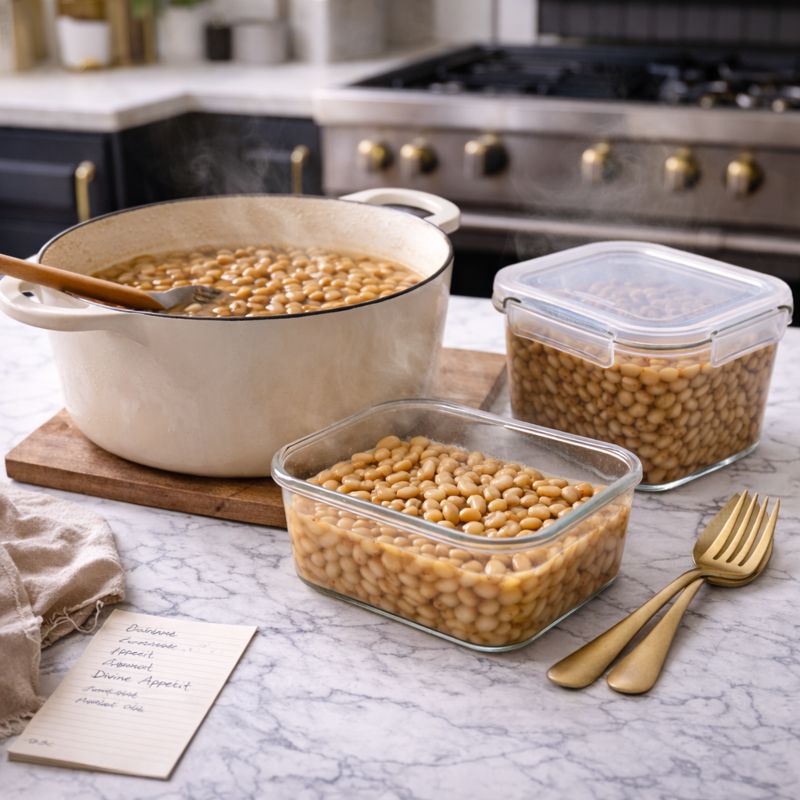
- Cook a large pot of beans (or open a few cans)
- Use those beans across multiple meals
- Pair beans with familiar proteins like beef, chicken, or sausage
- Repeat gently the next week with a new bean
No burnout. No waste. No complicated planning.
Breakfast Beans: Starting the Day Gently
One of the most surprising parts of this challenge has been breakfast.
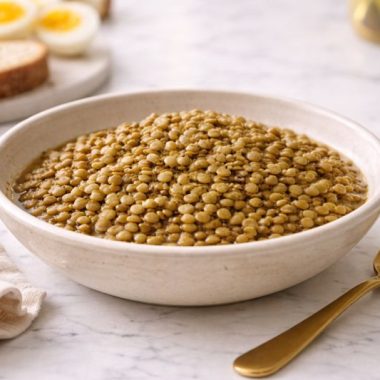
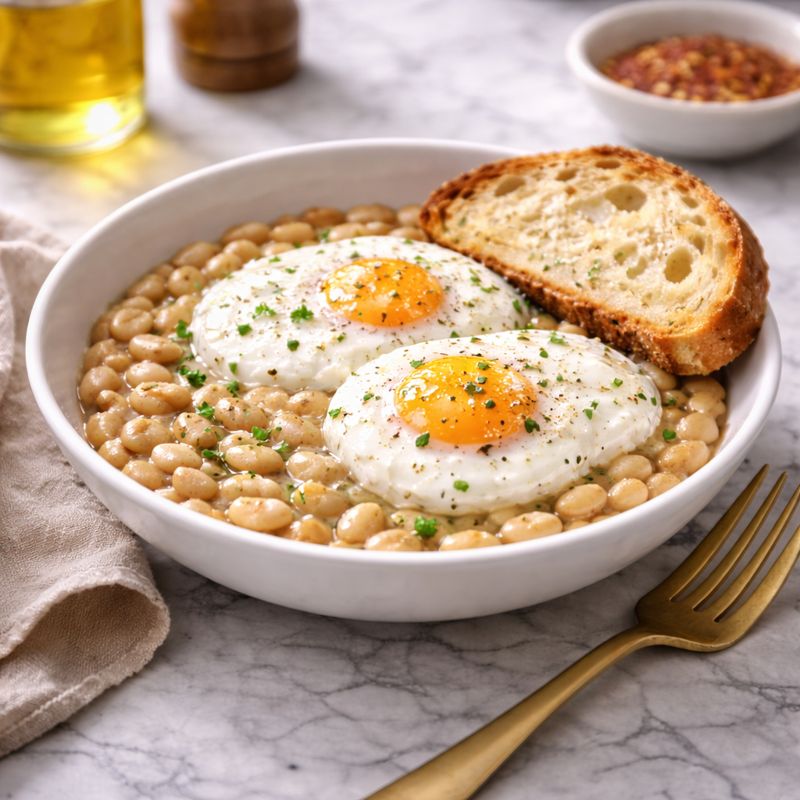
Beans for breakfast might sound unusual at first, but when prepared simply, they feel right at home. Creamy white beans with eggs and toast, lentils under soft meatballs reheated from dinner, or leftover beans warmed gently with butter — these are old-fashioned breakfasts that quietly sustain you.
They don’t feel heavy. They feel steady.
Lunches That Rely on Leftovers (On Purpose)
Lunch during this challenge isn’t a separate event. It’s usually yesterday’s dinner, repurposed.
That might look like:
- Lentils and meatballs reheated with bread
- Bean soup ladled into a thermos
- A skillet of beans warmed with a fried egg
This kind of eating removes decision fatigue and keeps the challenge realistic for busy days.
Dinners Built Around Comfort, Not Trends
Dinner is where beans really shine.
Instead of trying to disguise them, we let them do what they do best:
- Simmer slowly
- Absorb flavor
- Turn simple ingredients into something satisfying
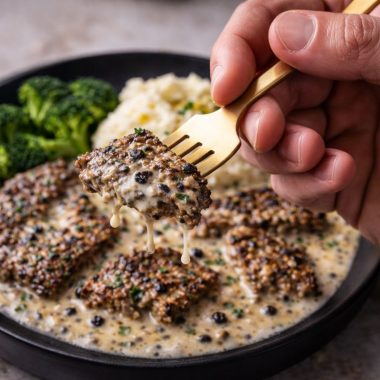
Meals like Italian meatballs and lentils — sometimes called Lucky Meatballs — are perfect examples. Lentils simmered with a pureed mirepoix create a rich, comforting base, while beef meatballs add familiarity and heartiness.
These are dinners that feel complete, not compromised.
Cooking Beans in a Way That Loves Your Body Back
If beans have ever felt heavy or uncomfortable, it’s often because they weren’t cooked thoughtfully.
This challenge emphasizes:
- Proper soaking (when using dried beans)
- Slow simmering
- Aromatics like onion, carrot, and celery
- Blended bases that create creaminess without heaviness
When beans are cooked well, they’re remarkably gentle and satisfying.
The Beauty of Repetition
One of the quiet gifts of this challenge is repetition.
Using the same beans across multiple meals:
- Saves time
- Builds confidence
- Makes cooking feel familiar again
You stop asking, “What’s for dinner?” and start asking, “How can I use what I already made?”
That shift alone changes everything.

Pantry Cooking That Feels Abundant
There’s a misconception that pantry cooking is about scarcity. This challenge proves the opposite.
A pot of beans, a skillet of meatballs, a loaf of bread — when prepared with care — feels abundant. There’s always enough for seconds, leftovers, or tomorrow’s meal.
That sense of “we have enough” changes how you approach food.
Why This Challenge Works for Real Life
This 30-day challenge doesn’t require special products or complicated techniques. It works because it’s built around:
- Familiar flavors
- Repeatable methods
- Flexible meals
- Gentle structure
It meets you where you are.
Making Room for Reflection at the Table
There’s something about slow-cooked food that invites reflection.
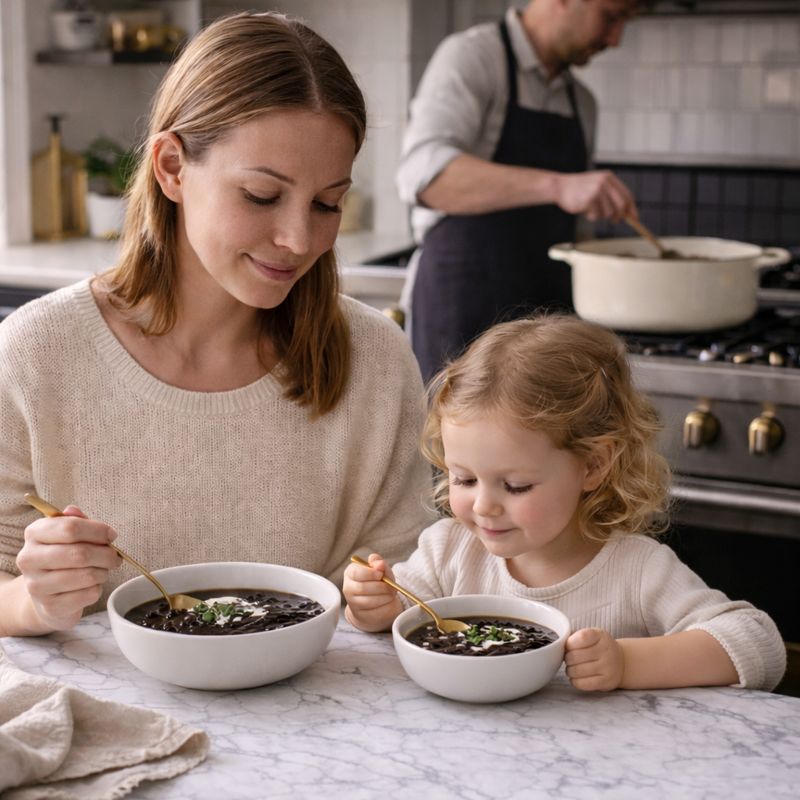
When meals take time, you take time too. You sit longer. You notice more. You’re less rushed to move on to the next thing.
This challenge isn’t just about beans — it’s about restoring a quieter pace to everyday meals.
How to Start Your Own 30 Days of Beans
If you’re inspired to try this challenge, start small.
Choose:
- One bean
- One pot
- One week
Let it grow naturally from there.
You don’t need to be perfect. You just need to begin.
A Reflective Note
There’s something quietly reassuring about cooking food that’s been made this way for generations. Beans don’t rush you. They don’t demand perfection. They simply ask for time.
This 30-day bean challenge has reminded us that nourishment doesn’t need to be complicated to be meaningful. Sometimes, the most sustaining meals are the ones that simmer slowly, stretch generously, and bring you back to the table — again and again